
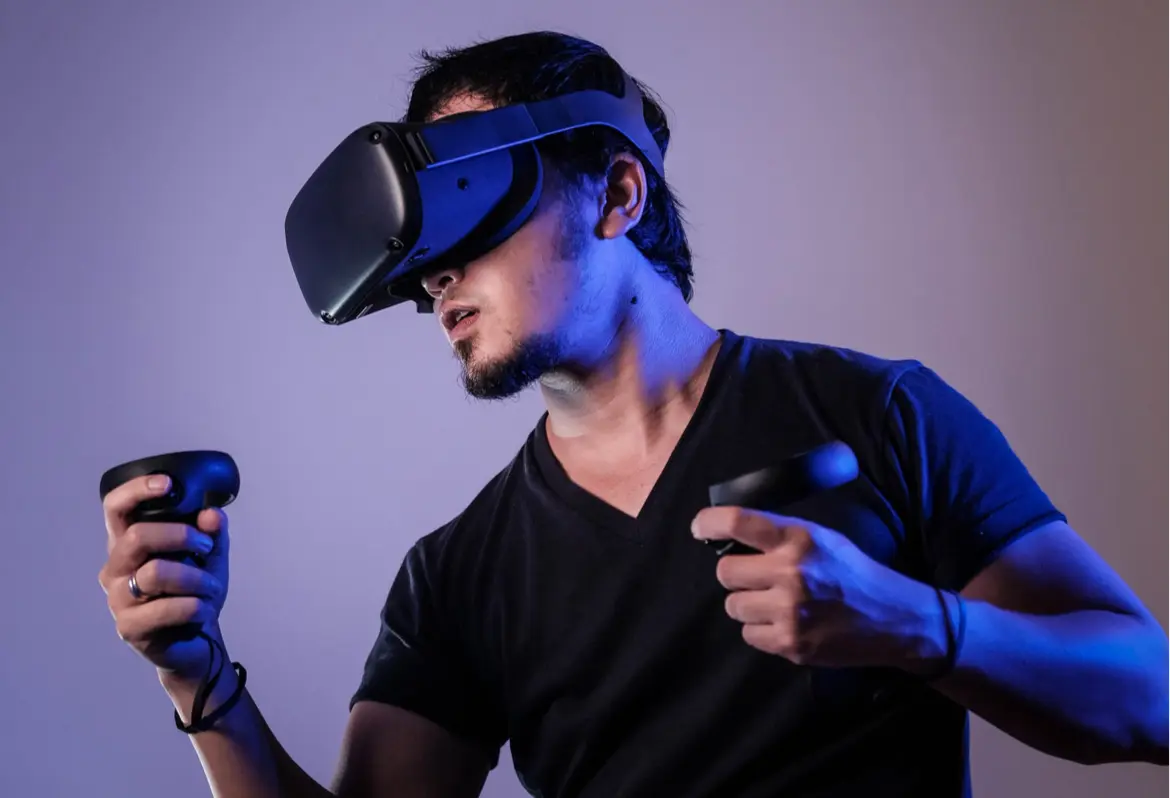
The Digital Rush: Why Global Brands Are Uniting in the Metaverse
The Metaverse is no longer a futuristic concept; it’s a bustling digital marketplace. For brands, this immersive virtual world represents the next great frontier for consumer engagement and commerce. While the early days of VR were dominated by gaming, the current Metaverse boom is driven by major corporations forming strategic alliances to build shared, interoperable digital experiences.
Commerce and Community: The Brand Unity Strategy
Leading the charge are global entities (GE) like Nike, Gucci, and Coca-Cola, who are quickly staking their claims. They understand that success in this new ecosystem requires unity and collaboration rather than isolation.
Fashion: Luxury brands like Gucci and Louis Vuitton aren’t just selling digital collectibles (NFTs); they’re hosting immersive virtual showrooms and fashion weeks. This allows for personalized, 3D product previews that blur the line between digital and physical, enhancing the customer experience.
Entertainment & Gaming: Platforms like Roblox and Fortnite have become central hubs for brand activations. For example, a music event hosted in a popular game is a clear demonstration of how different brands unite to create a singular, engaging experience that taps into massive, global audiences.
Key SEO Focus: The content naturally positions Metaverse as the core topic, using LSI keywords like virtual world, digital commerce, and NFTs to signal high relevance to search engines.
What is Apple's Metaverse Strategy?
While the competition dives headfirst into full virtual reality (VR), the most common question users ask is: Why is Apple taking a rain check on the initial Metaverse boom? This is a crucial Answer Engine Optimization (AEO) opportunity.
Apple’s strategy isn’t to abstain, but to be a calculated disruptor. Their move reflects a deliberate shift in focus towards Augmented Reality (AR), not the all-encompassing VR focus of their competitors (like Meta’s early push).
The Apple Vision Pro: A Spatial Computing Pivot
The Apple Vision Pro headset, which Apple carefully brands as a “spatial computer,” is a prime example of this strategy. Rather than creating a new digital world to escape to, Apple focuses on overlaying digital content onto the real world.
| Feature | Competitor’s VR Focus (Meta) | Apple’s AR/Spatial Focus |
| Goal | Full immersion in a virtual world. | Seamless blending of digital with the physical world. |
| Strategy | Build a new Metaverse ecosystem. | Extend the existing Apple ecosystem (iPhone, Mac, iPad). |
| Experience | Disconnected from reality. | Connected to reality, enhancing productivity and communication. |
"I always think it's important that people understand what something is. And I'm really not sure the average person can tell you what the Metaverse is. Augmented Reality will change the way we use technology forever."
— Tim Cook, CEO of Apple
The Metaverse is evolving faster than anyone predicted. The clear trend is collaboration, not competition, with brands uniting to build an interconnected digital future. While Apple takes a rain check on the early race, their methodical development of spatial computing is a powerful reminder that sometimes, the latecomer with the perfect product is the one who ultimately sets the standard.