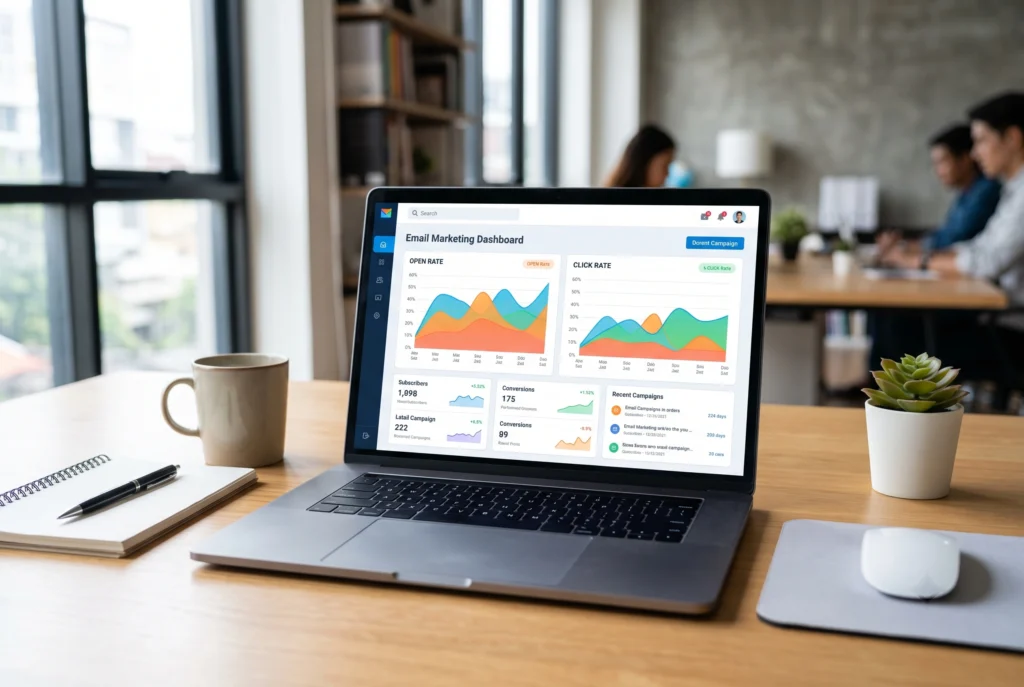
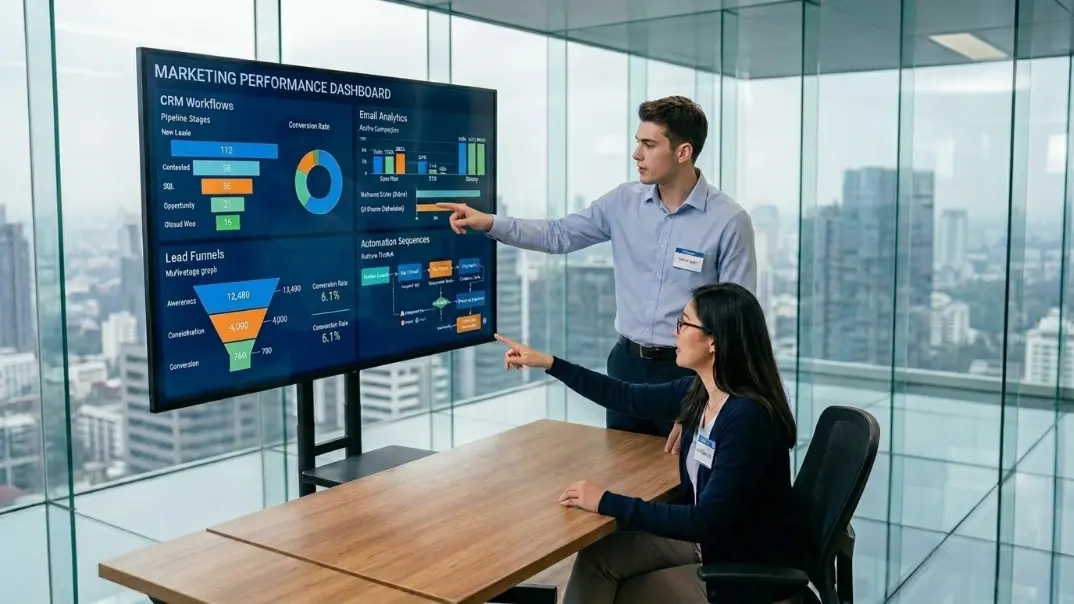
Running a small or medium-sized business in 2026 means balancing growth, customer expectations, lead generation, and daily operations all at once. That is exactly why Marketing Automation for SMEs has become one of the most valuable investments for modern businesses looking to scale without overwhelming their teams.
Customers now expect quick responses, personalized communication, and consistent engagement across every stage of the buying journey. Manually managing emails, follow-ups, reminders, and lead nurturing simply is not sustainable anymore. Businesses that automate these repetitive marketing tasks are saving time, improving customer relationships, and generating more revenue with less manual effort.
Whether you are trying to improve lead conversion, automate customer onboarding, or build stronger long-term retention, the right automation strategy can completely transform how your business operates. More importantly, automation allows SMEs to compete with larger brands without needing massive marketing teams or expensive resources.
If your business wants better efficiency, stronger customer engagement, and scalable marketing systems, now is the time to implement
Why Marketing Automation Matters for SMEs in 2026
Most SMEs face the same challenge: limited time, smaller teams, and growing customer expectations. Business owners often spend hours manually replying to leads, sending emails, following up with customers, scheduling campaigns, and updating spreadsheets. Over time, these repetitive tasks slow growth and create inconsistency in customer communication.
This is where modern marketing automation tools are changing how small businesses operate. Instead of relying on manual marketing processes, businesses can now automate customer journeys, email campaigns, reminders, and sales workflows from a single platform.

Consumers in 2026 also expect businesses to respond quickly. If a customer submits a contact form today, they expect immediate acknowledgment. Waiting several days for a follow-up can easily result in lost leads. With small business email automation, businesses can instantly send personalized welcome emails, appointment confirmations, onboarding instructions, or promotional offers without manual input.
Another major advantage is improved customer follow-up automation. Many SMEs lose potential customers simply because follow-ups are delayed or forgotten. Automation ensures every lead receives timely communication, helping businesses maintain consistent engagement and improve conversion opportunities.
The businesses growing fastest today are not necessarily working harder. They are using smarter systems that allow them to automate repetitive tasks while focusing more on strategy, customer experience, and growth.
What Is Marketing Automation for SMEs?
At its core, Marketing Automation for SMEs refers to software and systems that automatically handle repetitive marketing tasks and customer communication. Instead of manually sending every email or tracking every lead individually, automation platforms perform these actions based on predefined triggers and customer behavior.
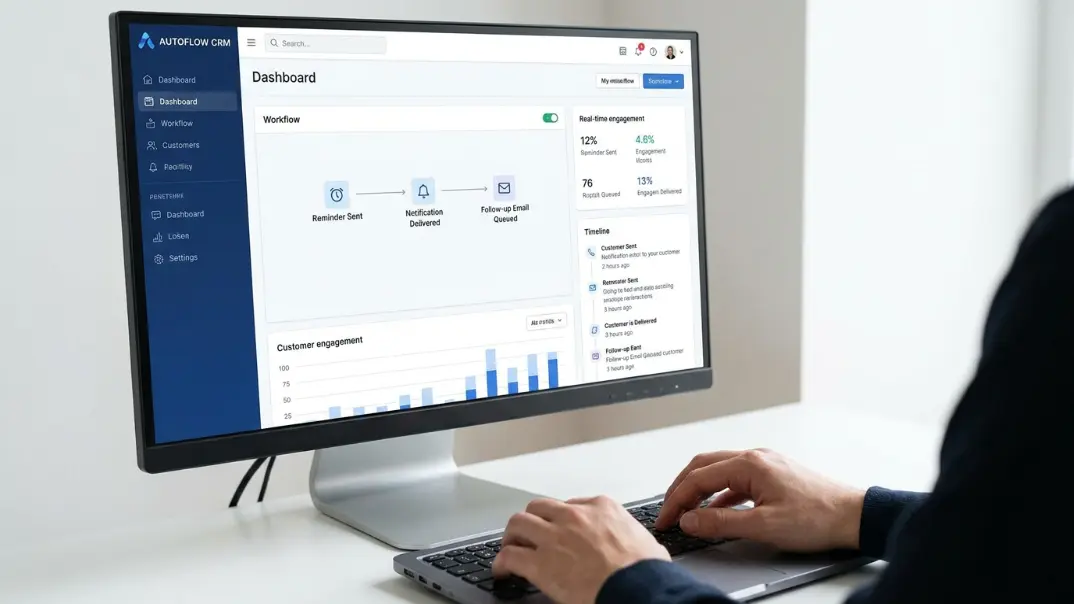
For example, when someone fills out a contact form on your website, automation software can instantly:
- Add the lead into your CRM
- Send a welcome email
- Notify your sales team
- Start a nurturing campaign
- Schedule follow-up reminders
This entire process can happen within seconds without manual involvement.
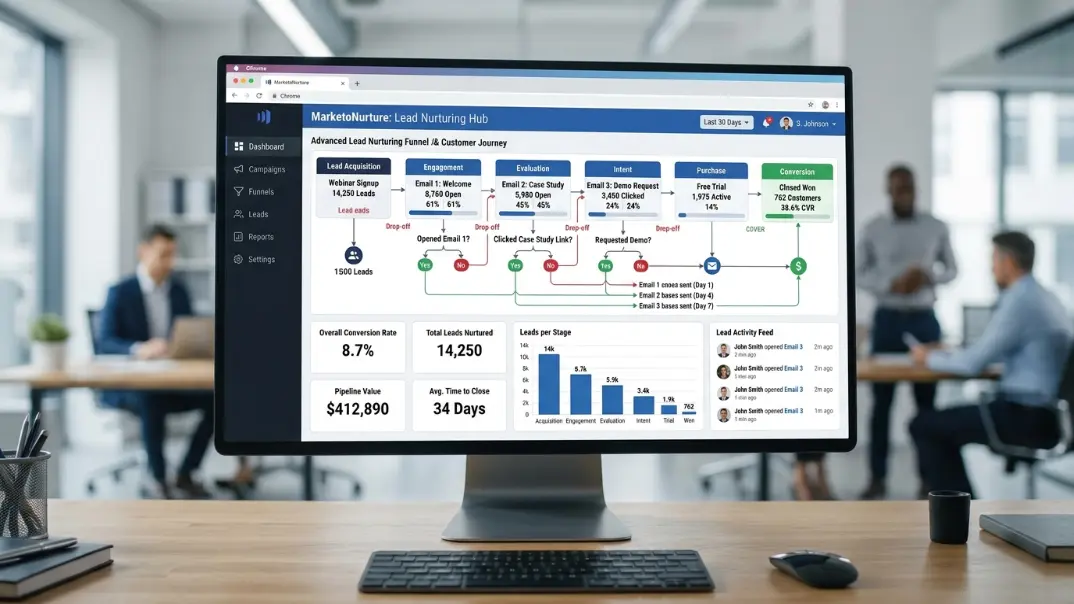
One of the most common uses of automation is creating email sequences for SMEs. These sequences automatically guide leads through different stages of the customer journey using educational content, offers, reminders, or onboarding messages.
Another important feature is automated lead nurturing. Instead of losing leads that are not ready to buy immediately, automation keeps them engaged through valuable content and strategic follow-ups until they are ready to make a decision.
Modern automation systems also help SMEs with:
- Customer onboarding
- Appointment reminders
- Review requests
- Sales pipeline tracking
- Re-engagement campaigns
- Cart abandonment emails
- Personalized marketing campaigns
The goal is simple: reduce manual workload while improving customer communication and business efficiency.
Benefits of Marketing Automation for Small Businesses
Saves Time and Reduces Manual Work
One of the biggest advantages of Marketing Automation for SMEs is time savings. Many business owners spend hours every week manually replying to inquiries, sending emails, or tracking customer activity. Automation removes repetitive work and allows teams to focus on higher-value business tasks.
With advanced marketing workflows for small businesses, businesses can automate lead handling, onboarding, and customer communication without sacrificing personalization.
Improves Lead Conversion
Leads often go cold when businesses fail to respond quickly. Automation helps SMEs engage leads immediately through instant responses and targeted nurturing campaigns.
Using drip campaigns for small businesses, companies can educate leads gradually with useful information, offers, and reminders that build trust over time. These automated campaigns help move prospects closer to conversion naturally.
Better Customer Retention
Retaining customers is usually more profitable than constantly acquiring new ones. Automation helps businesses stay connected with customers long after the initial sale.
Through customer follow-up automation, businesses can send renewal reminders, feedback requests, educational content, and loyalty offers automatically. These consistent touchpoints improve customer relationships and long-term retention.
Personalized Communication at Scale
Customers respond better to personalized communication than generic mass emails. Automation platforms now allow SMEs to segment audiences based on interests, behavior, location, or previous interactions.
This makes small business email automation far more effective because customers receive content that feels relevant and timely rather than random promotional messaging.
Scalable Marketing Operations
As businesses grow, manual marketing processes become increasingly difficult to manage. Automation allows SMEs to scale communication without dramatically increasing staffing costs.
With structured marketing workflows for small businesses, even small teams can manage large customer databases efficiently while maintaining consistency across campaigns.
Consistent Customer Experience
Consistency plays a huge role in customer trust. Automation ensures every customer receives timely communication, onboarding instructions, follow-ups, and support information in a structured way.
Instead of relying on memory or manual systems, businesses can create reliable processes that improve the overall customer experience.
How Automation Workflows Actually Work
Many SMEs assume automation is highly technical, but modern systems are designed to simplify business operations.
A typical automation workflow usually follows these steps:
Step 1: Lead Capture
A customer visits your website and submits a contact form, downloads a guide, or signs up for a newsletter.
Step 2: CRM Entry
The lead automatically enters your CRM system along with relevant details such as name, email, interests, and source.
Step 3: Automated Email Trigger
The system instantly sends a welcome email or introductory message. This creates immediate engagement while the lead is most interested.
Step 4: Follow-Up Sequences
Using structured email sequences for SMEs, the system gradually sends educational content, case studies, testimonials, or promotional offers over time.
Step 5: Retargeting and Engagement
If the lead visits certain pages or clicks specific links, automation systems can trigger additional messaging or retargeting campaigns.
Step 6: Conversion Tracking
Businesses can track which campaigns generate leads, appointments, or sales. This helps optimize future marketing efforts and improve ROI.
This type of automated lead nurturing helps businesses maintain consistent communication without requiring manual follow-up every day.
Best Marketing Automation Tools for SMEs
Choosing the right platform depends on business size, budget, and marketing goals. Here are some of the best marketing automation tools for SMEs in 2026.
HubSpot
HubSpot remains one of the most popular all in one automation platforms for growing businesses.
Best For:
- CRM integration
- Lead nurturing
- Sales automation
- Content marketing
Advantages:
- Easy-to-use dashboard
- Powerful automation workflows
- Strong reporting tools
- Excellent scalability
HubSpot works particularly well for SMEs focused on long-term inbound marketing and customer lifecycle management.
Mailchimp
Mailchimp has evolved from an email platform into a broader automation solution for smaller businesses.
Best For:
- Email campaigns
- Beginner-friendly automation
- E-commerce integrations
Advantages:
- Affordable plans
- Simple interface
- Good automation templates
- Easy segmentation tools
Mailchimp is ideal for businesses starting with small business email automation for the first time.
ActiveCampaign
ActiveCampaign is highly regarded for advanced automation capabilities and customer segmentation.
Best For:
- Advanced email automation
- Behavioral triggers
- Customer journey mapping
Advantages:
- Deep automation flexibility
- Strong CRM integration
- Excellent personalization features
It is especially useful for businesses running sophisticated drip campaigns for small businesses.
Brevo
Brevo offers affordable automation functionality for SMEs looking for budget-friendly solutions.
Best For:
- SMS marketing
- Email automation
- Transactional messaging
Advantages:
- Cost-effective pricing
- Multi-channel communication
- Good automation features
Brevo is a practical option for growing SMEs with limited budgets.
Zoho Marketing Automation
Zoho provides integrated business tools that work well for SMEs already using Zoho products.
Best For:
- CRM-connected automation
- Lead management
- Multi-step campaigns
Advantages:
- Competitive pricing
- Business ecosystem integration
- Flexible automation workflows
Zoho is ideal for businesses wanting connected systems without enterprise-level costs.
Email Automation Strategies That Increase SME Revenue
Email remains one of the highest-converting marketing channels when used strategically. The key difference today is automation.
Welcome Email Sequences
First impressions matter. Automated welcome emails help businesses introduce their brand, explain services, and guide new subscribers toward the next step.
Well-structured email sequences for SMEs improve engagement rates significantly during the first few days after signup.
Cart Abandonment Emails
For e-commerce businesses, abandoned cart emails recover lost sales by reminding customers about unfinished purchases.
These automated reminders often generate surprisingly high conversion rates when combined with urgency or special offers.
Lead Nurturing Campaigns
Not every lead is ready to buy immediately. Strategic drip campaigns for small businesses help educate leads gradually while building trust over time.
This type of nurturing keeps businesses visible until prospects are ready to make decisions.
Re-Engagement Campaigns
Inactive subscribers can often be reactivated through targeted campaigns offering new resources, discounts, or updated services.
Automation makes these campaigns easy to manage consistently.
Educational Email Funnels
Educational campaigns help businesses position themselves as industry experts while nurturing customer relationships.
These campaigns are especially effective for service-based SMEs wanting to build long-term trust.
Appointment and Reminder Emails
Automation also improves operational efficiency by sending booking confirmations, reminders, and follow-ups automatically.
This reduces no-shows while improving the overall customer experience.
Customer Follow-Up Automation
Many SMEs underestimate how important follow-up communication really is. In reality, consistent follow-ups often determine whether a lead converts or disappears.
Strong customer follow-up automation ensures businesses never miss important communication opportunities. Automated follow-ups can include:
- Appointment reminders
- Review requests
- Proposal follow-ups
- Post-purchase check-ins
- Upsell opportunities
- Customer satisfaction surveys
These automated touchpoints help businesses stay professional, organized, and responsive without requiring constant manual effort.
More importantly, follow-up automation helps businesses create stronger long-term relationships rather than focusing only on immediate sales.
Common Mistakes SMEs Should Avoid
While automation offers major advantages, poor implementation can damage customer relationships.
Over-Automation
Customers still expect genuine human interaction. Businesses should avoid making every interaction feel robotic or impersonal.
Generic Messaging
Sending the same message to every customer reduces engagement significantly. Segmentation and personalization matter more than ever.
Ignoring Analytics
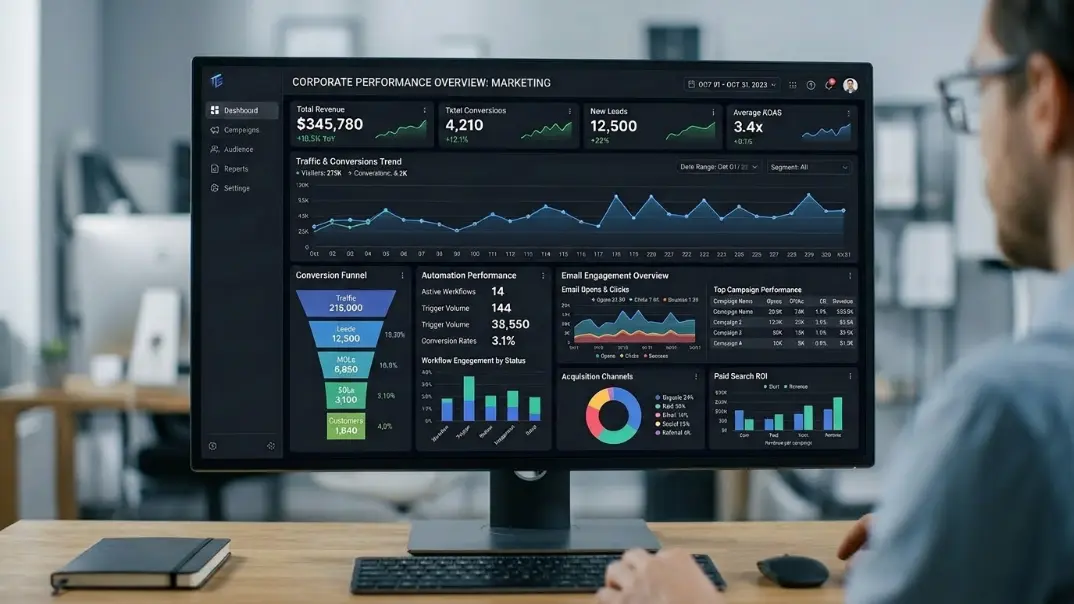
Automation platforms provide valuable insights into open rates, clicks, conversions, and customer behavior. Businesses that ignore these metrics miss major optimization opportunities.
Sending Too Many Emails
Excessive automation can overwhelm customers and increase unsubscribe rates. Balance and timing are critical.
Weak CTA Strategies
Every automation campaign should guide users toward a clear next step. Confusing or weak calls-to-action reduce campaign performance.
Future of Marketing Automation in 2026
The future of Marketing Automation for SMEs is becoming increasingly intelligent and personalized.
Artificial intelligence is now helping businesses predict customer behavior, personalize messaging, and optimize campaign timing automatically. Modern marketing workflows for small businesses are becoming more adaptive based on customer interactions and engagement patterns.
Predictive automation is also improving lead scoring and customer segmentation. Businesses can now identify high-intent leads earlier and prioritize them more effectively.
Behavioral triggers are becoming more advanced as well. Instead of relying only on scheduled emails, automation systems can now respond dynamically to customer activity across websites, emails, and social platforms.
Omnichannel automation is another major trend. Businesses are increasingly connecting email, SMS, CRM systems, chatbots, and social media into unified customer journeys.
For SMEs, this creates opportunities to deliver enterprise-level customer experiences without requiring massive teams or budgets.
Conclusion
Modern businesses cannot afford to rely entirely on manual marketing systems anymore. As customer expectations continue rising, automation has become essential for improving efficiency, lead generation, and customer retention.
Implementing Marketing Automation for SMEs allows businesses to save time, nurture leads consistently, improve customer communication, and scale marketing operations more effectively.
Whether you are building automated onboarding systems, launching lead nurturing campaigns, or improving customer retention strategies, automation creates long-term business advantages that compound over time.
The businesses that invest in smarter systems today will be the ones positioned for stronger growth tomorrow.
If your business wants better scalability, stronger lead conversion, and more efficient marketing processes, now is the perfect time to implement automation strategically.