
Plenty of businesses have tried throwing a few hundred dollars at an ad platform and hoping something sticks. Sometimes it works for a week, then the leads dry up and nobody’s quite sure why. That’s the difference between running ads and running proper Paid Search Marketing — one is a gamble, the other is a system built on data, testing, and continuous refinement. If your ad spend has felt unpredictable, this is worth reading before you set another budget and hope for the best.
What Does Paid Search Marketing Actually Involve?
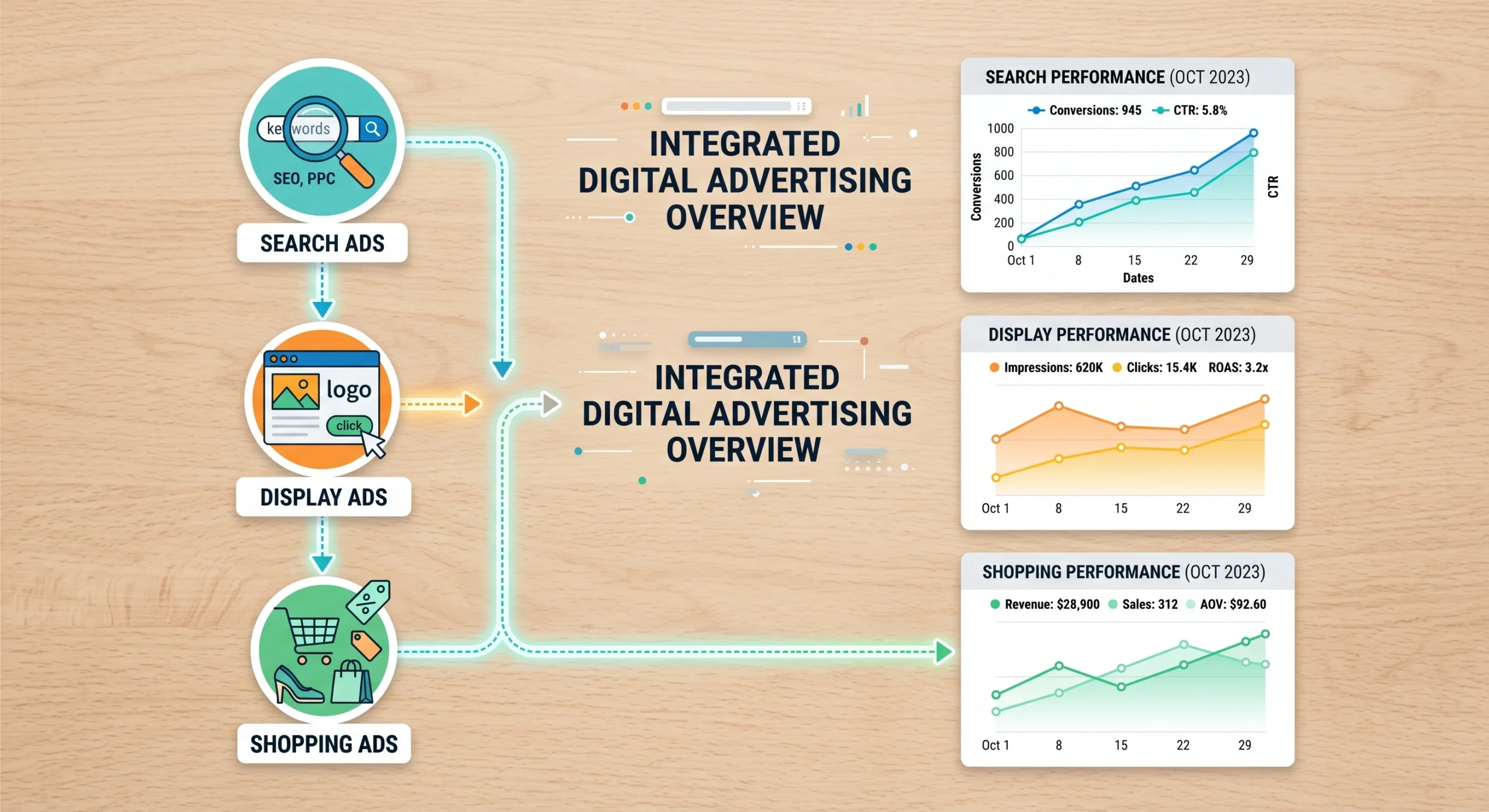
At its core, Paid Search Marketing is about showing up at the exact moment someone is searching for what you offer, and making sure that click actually turns into a customer. That sounds simple, but it involves a lot of moving parts working together — keyword research, ad copy that matches search intent, landing pages built to convert, and ongoing bid management that reacts to real performance rather than a “set and forget” mentality.
A properly run campaign starts with understanding buyer intent, not just search volume. Someone searching “what is accounting software” is in a very different stage of the journey than someone searching “buy accounting software online,” and treating those two searches the same way is one of the fastest ways to waste a budget. Good Search Engine Marketing separates these intents clearly, so spend goes toward the searches most likely to convert rather than the ones that simply generate traffic.
Core Elements of PPC Management Services
Not every provider offers the same level of detail, and it’s worth knowing what a proper setup should include. Reliable PPC Management Services typically cover:
- Keyword research and negative keyword management — making sure budget targets buyers, not browsers, while filtering out irrelevant searches.
- Ad copy testing — running multiple versions of ads to see which headlines and offers actually drive clicks and conversions.
- Landing page alignment — ensuring the page people land on actually matches what the ad promised.
- Conversion tracking setup — so real numbers are visible, not just clicks and impressions.
- Ongoing bid and budget management — adjusting spend based on what’s genuinely working, week to week.
A trustworthy provider of PPC Management Services will walk you through each of these clearly, rather than hiding behind vague monthly summaries that don’t explain what actually changed in your account.
Signs Your Current PPC Management Services Aren’t Working
There are a few warning signs worth watching for if you’re already running paid campaigns but unsure whether they’re being looked after properly. If your monthly report only shows clicks and impressions without any mention of conversions or cost-per-lead, that’s a red flag — those numbers alone don’t tell you whether the campaign is actually making money. Another sign is if nobody can explain why budget is being spent the way it is, or why certain keywords were added or removed.
Genuine PPC Management Services should feel collaborative, not like a black box you’re paying into every month without visibility. If you’ve never been shown your own account login, or you’re not sure which keywords are actually driving your leads, it’s worth asking for a proper account review before renewing anything. This same transparency should extend to Search Engine Marketing more broadly, covering both paid and any organic recommendations that come alongside it.
Google Ads Management: Getting the Platform Right
For most businesses, Google Ads Management forms the backbone of a paid search strategy, simply because of how much search volume runs through Google. Getting this platform right means more than just launching a campaign — it means structuring account settings correctly, choosing the right match types, and understanding how the auction system actually rewards quality and relevance, not just the highest bid.
Poor Google Ads Management is one of the most common reasons budgets get wasted. Accounts left unchecked for weeks can quietly drift toward unprofitable keywords, irrelevant search terms, or ad groups that were never properly separated in the first place. Ongoing, hands-on management is what prevents this slow leak of wasted spend.
Search Engine Marketing Versus Organic SEO
This comes up constantly, and the honest answer is usually both, just for different reasons. Search Engine Marketing gets you in front of customers almost immediately, which makes it useful when you need leads now — a new product launch, a seasonal promotion, or simply filling a visibility gap while organic rankings build up. Organic SEO, on the other hand, takes months to gain traction but keeps working long after you’ve stopped actively paying for each click.
A well-rounded strategy usually runs both side by side — using Search Engine Marketing for immediate visibility on competitive terms while organic content builds toward covering those same keywords for free over time. Treating paid and organic search as competitors rather than teammates is one of the more common strategic mistakes businesses make when planning their marketing budget.
Why Pay Per Click Advertising Needs Constant Attention
A common misconception is that Pay Per Click Advertising is a “set it and walk away” tool. In reality, the accounts that perform best are the ones getting regular attention — checking which keywords are converting, testing new ad variations, and pausing anything that’s quietly draining budget without results. A campaign that looked profitable in its first month can become unprofitable within weeks if nobody’s watching it closely.
This is exactly why Pay Per Click Advertising benefits so heavily from experienced management rather than a DIY approach. An experienced team knows how to read the early warning signs in performance data — rising cost-per-click, falling conversion rates, or an increase in irrelevant search terms — and adjust before those issues eat significantly into the budget.
What Sets Strong Pay Per Click Advertising Apart From the Rest
Not every provider calling itself a specialist actually operates like one. Strong Pay Per Click Advertising management tests assumptions rather than guesses — running structured experiments on ad copy, bidding strategy, and audience targeting instead of setting campaigns up once and leaving them untouched for months. A good team will also be transparent about what isn’t working, rather than only highlighting the metrics that look good in a report.

Another marker of solid Pay Per Click Advertising management is how accounts are handled during slow periods. Every industry has seasonal dips, and good management adjusts budget and messaging accordingly instead of simply reducing spend and hoping things pick back up on their own. This kind of proactive oversight, paired with disciplined Google Ads Management, is usually what separates accounts that keep improving from ones that quietly stagnate after the first few months.
Common Mistakes Businesses Make With Paid Campaigns
Before getting into what good management looks like, it’s worth flagging a few mistakes that quietly waste money. The most common one is running broad match keywords without a proper negative keyword list — this means ads can show up for searches that have nothing to do with what’s being sold, and the business still pays for the click. Another frequent issue is sending traffic to a generic homepage instead of a page built specifically around what the ad promised, which tanks conversion rates even when the ad itself performs well.
A less obvious mistake is ignoring the account after the initial setup. Search trends shift, competitors adjust their bids, and seasonal demand changes throughout the year — a campaign that isn’t checked regularly slowly drifts away from being cost-effective. This is exactly the gap that proper PPC Management Services are meant to close, catching issues before they eat into budget for weeks unnoticed.
How to Choose the Right Provider for Google Ads Management
With so many freelancers and agencies claiming expertise, it helps to know what actually separates good management from a risky gamble. Ask to see real account examples with genuine performance data, not just screenshots of impressions. Check whether they explain strategy changes in plain language, or bury everything in jargon that’s difficult to verify independently.
Be cautious of anyone guaranteeing a specific cost-per-lead before they’ve even looked at the industry or competition — that’s rarely realistic. The best providers of Google Ads Management are upfront that results improve over the first few months as data builds up, rather than promising instant perfection from day one.
What Results Actually Look Like Over Time
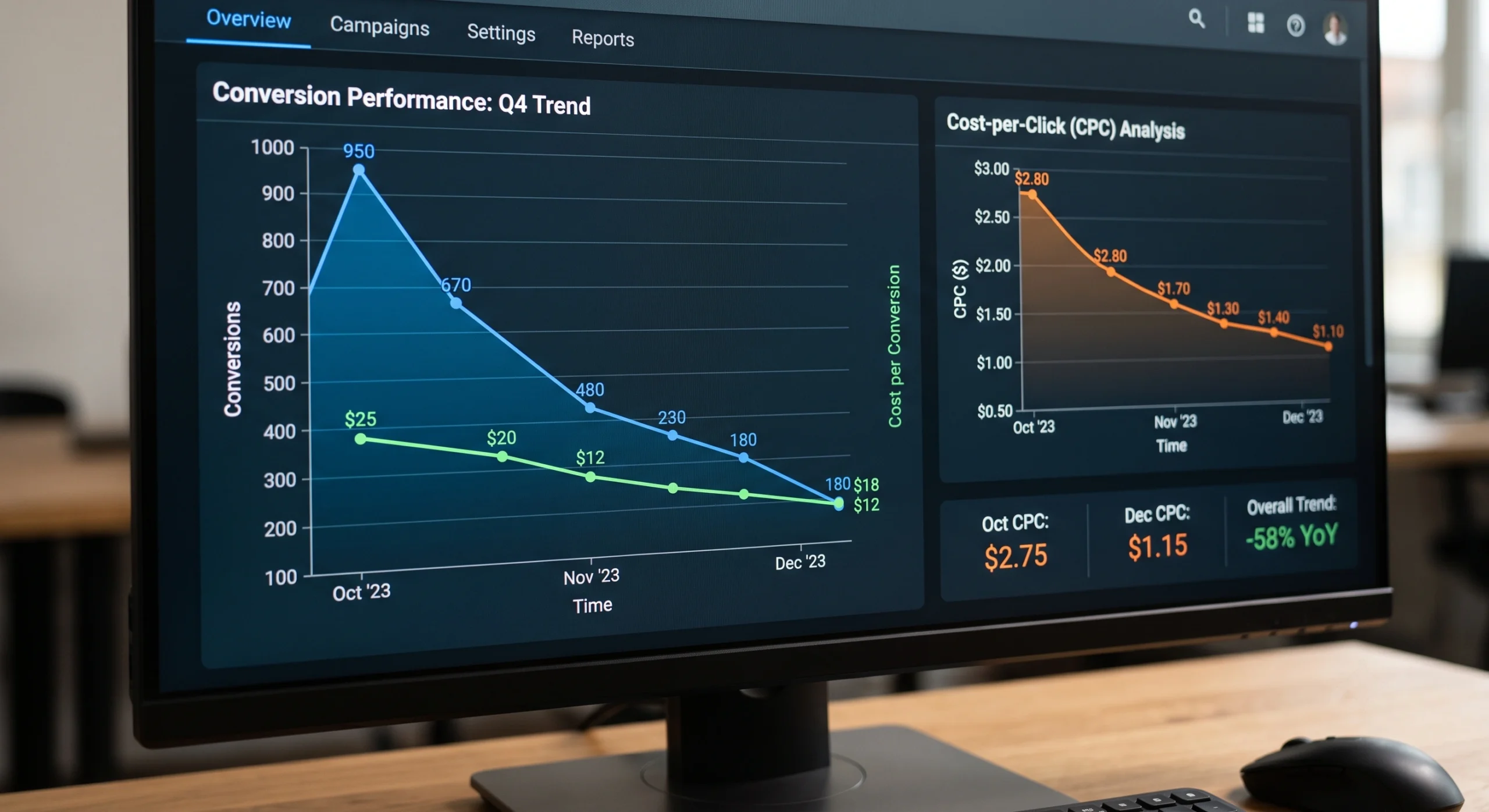
It’s worth setting honest expectations early. Most Paid Search Marketing campaigns show early data within the first two to four weeks — enough to start identifying which keywords and ads are performing. Real optimisation and cost-efficiency improvements usually build over the following one to three months as underperforming elements get cut and winning ones get more budget.
This gradual improvement is normal and actually a good sign. Properly managed Pay Per Click Advertising gets more efficient over time, meaning cost per lead should trend downward as data accumulates, rather than staying flat or unpredictable. It’s also worth tracking the quality of leads, not just their cost — a cheaper click means little if the enquiries coming through aren’t a good fit for what’s actually being sold.
Getting the Most Out of Your Budget
A question worth asking early is how much should actually go into Paid Search Marketing to see meaningful results. There’s no single right answer, since it depends heavily on industry competition and average customer value. What matters more than the total figure is how that budget is allocated — spreading it too thin across too many keywords rarely works as well as focusing on a smaller set of high-intent search terms and expanding once you know what converts.
Good Google Ads Management typically starts with a tighter, well-tested set of campaigns before expanding, rather than launching everything at once and hoping something sticks. This approach protects the budget while the account is still learning which audiences actually convert best.
Conclusion
Getting real value from Paid Search Marketing comes down to ongoing management, not a one-off setup. The right strategy structures campaigns properly, tracks what actually matters, and adjusts based on real performance data rather than guesswork. Whether you’re investing in Search Engine Marketing for the first time or trying to fix Pay Per Click Advertising that isn’t performing, proper PPC Management Services make the difference between wasted spend and consistent leads. A well-rounded approach to Search Engine Marketing — covering both paid visibility and long-term organic growth — tends to deliver the most sustainable results over time. Get in touch for a free account review to see where your current setup stands.